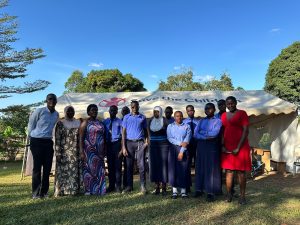
Aurora Institute For Wellbeing & Health - AWIE

Mental Health Services & Psychosocial Support (MHPSS) Program

Mental health challenges among adolescents and underserved communities in Uganda continue to rise, yet access to quality services remains extremely limited. Many young people quietly battle anxiety, depression, trauma, substance misuse, and stress-related disorders without ever receiving help. Schools often have no trained personnel to recognize warning signs, health facilities lack dedicated adolescent-friendly mental health services, and families face stigma that prevents early nintervention.
Recognizing these urgent gaps, the Aurora Institute for Wellbeing & Education (AIWE) established the Mental Health Services & Psychosocial Support (MHPSS) Program—a comprehensive initiative designed to integrate prevention, early identification, care, and community support across multiple levels. The program is rooted in the belief that mental wellbeing is a critical foundation for academic success, healthy relationships, and long-term personal development.
Target Beneficiaries : Adolescents (10–19 years), Youth (20–24 years) ,Teachers, counsellors, school staff, Parents and caregivers, Community health workers, Out-of-school youth
Vulnerable groups including survivors of violence, displaced adolescents, and young mothers


1. Program Goal and Purpose

The goal of the AIWE MHPSS Program is to increase access to inclusive, culturally appropriate, and adolescent-friendly mental health and psychosocial support services for underserved populations, particularly adolescents and youth.

The program seeks to :
✓Reduce mental health–related stigma
✓Strengthen early identification and referral systems
✓Equip teachers, families, and community members to support youth
✓Provide direct psychosocial support and counselling
✓Build long-term resilience among young people
✓Strengthen school and community systems for sustainable wellbeing

2. Why This Program Matters

A Growing Crisis
Research and field experience show a rise in symptoms of depression, anxiety, trauma, and stress among adolescents.

Many concerns stem from:
✓Academic pressure
✓Violence, bullying, abuse, or neglect
✓Social media influence and comparison
✓Poverty-related stress
✓Family breakdowns
✓Substance misuse
✓Limited access to professional support

Yet Uganda has fewer than 100 psychiatrists serving a population of over 45 million, and even fewer specialists trained to work with children and adolescents. This mismatch between need and service availability leaves an entire generation at risk.

Where AIWE Fits In
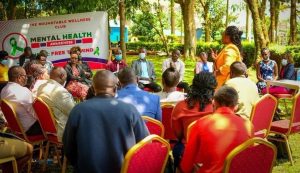
AIWE fills a critical gap by providing community-based, school-based, and family-centered approaches that are accessible, affordable, and adapted to the real challenges young people face.

3. Program Components

A. School-Based Mental Health and Resilience Curriculum

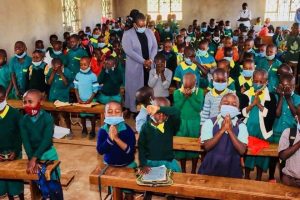
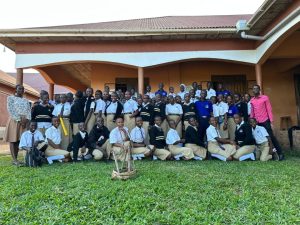
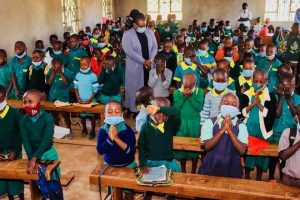
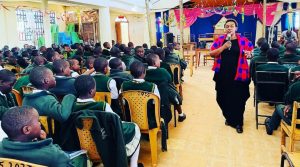
AIWE integrates structured wellbeing and psychosocial support sessions into schools through:

✓Emotional literacy lessons ✓Stress and anxiety management training
✓Social skills and communication exercises
✓Anti-bullying and peer-support systems
✓Resilience and problem-solving workshops

These sessions help adolescents identify emotions, develop coping strategies, and strengthen self-confidence.

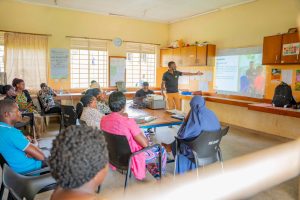
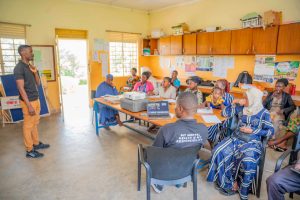
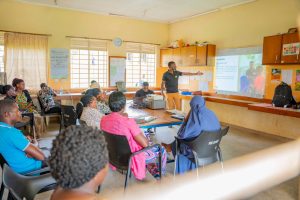
B. Teacher, Counsellor & Community Worker Training

AIWE trains teachers, school counsellors, community health workers, and youth leaders in:

✓Basic counselling and active listening
✓Mental health first aid
✓Identifying signs of distress
✓Positive discipline
✓Trauma-informed approaches
✓Referral pathways and confidentiality
✓Creating safe and supportive environments

This builds sustainable internal capacity in schools and communities.

C. Individual and Group Counselling Services

AIWE provides direct psychosocial support through:

✓One-on-one counselling ✓Group therapy circles
✓Peer support groups for adolescents
✓Crisis counselling for severe cases
✓Safe spaces for youth to express themselves.
✓Tele-mental health sessions for remote communities

Counselling is delivered by trained psychosocial support providers and supervised mental health professionals.

D. Community Awareness and Anti-Stigma Campaigns

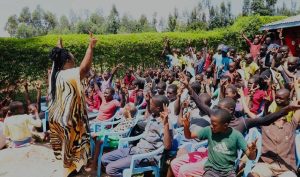
AIWE works with local leaders, parents, and community groups to:

✓Debunk myths around mental health
✓Promote early help-seeking
✓Encourage supportive family responses
✓Reduce stigma associated with counselling and therapy
✓Engage men, boys, faith leaders, and cultural institutions

These campaigns build a compassionate ecosystem around youth.

E. Digital Mental Health Tools & Tele-Mentoring

To overcome geographical and resource barriers, AIWE integrates technology including:

✓SMS-based wellbeing messages
✓Tele-counselling sessions
✓E-learning modules for teachers
✓Online mental health literacy content
✓Hotlines and referral connections

This ensures both privacy and accessibility for adolescents—especially girls, who may face mobility limitations.

4. Monitoring & Evaluation

AIWE tracks progress through:

✓Baseline and end-line mental health assessments
✓Attendance and participation records
✓Psychosocial wellbeing surveys
✓Teacher and parent feedback
✓Counselling case logs and referral data
✓Qualitative stories of change
✓Periodic program review meetings

Impact metrics are aligned with national and global mental health indicators.

5. Sustainability Strategy

AIWE ensures long-term sustainability by:

✓Embedding training into schools and community structures
✓Strengthening referral pathways with local health facilities
✓Building partnerships with the Ministry of Health and Ministry of Education
✓Training youth leaders as peer supporters
✓Using low-cost, scalable digital solutions
✓Empowering communities to drive and own the program

This ensures the program continues even after external funding ends.

Expected Outcomes

By implementing this program, AIWE aims to achieve:

Expected Outcomes

By implementing this program, AIWE aims to achieve:

Short-Term Outcomes

. Increased awareness of mental health and coping strategies
. Improved identification and referral of youth in distress
. Reduced stigma in schools and communities
. Strengthened capacity among teachers and caregivers

Medium-Term Outcomes

. Improved emotional resilience and social skills
. Reduced cases of violence, bullying, and harmful behaviors
. Improved school attendance and academic performance
. More adolescents accessing early support services

Long-Term Outcomes

. Sustainable community-based mental health systems
. Enhanced youth leadership and independence
. Reduced mental health–related crises and long-term disorders
. Healthier, more resilient communities

Get Involved

Join Us in Making a Difference Today!

Together, we can create positive change and empower communities towards a brighter future.
Volunteer With Us Internship Oppurtunities Become A Partner Become A Community Ambassador

Scroll to Top