Adolescent & Reproductive Health Education Aurora Institute For Wellbeing & Education - AWIE

Water, Sanitation & Hygiene (WASH) Program

Access to safe water, improved sanitation, and proper hygiene practices is a fundamental foundation of public health and human dignity. Yet in many communities across Uganda, limited access to clean water, inadequate sanitation facilities, poor waste management, and low hygiene awareness continue to threaten the wellbeing of children, adolescents, and families. These challenges lead to preventable illnesses, increased school absenteeism, unsafe home environments, and economic strain on already vulnerable household.
In schools, girls often miss classes during menstruation due to lack of safe WASH facilities, clean changing spaces, or menstrual hygiene products. In communities, waterborne diseases such as diarrhoea, typhoid, and cholera remain common due to unsafe water sources, poor hygiene practices, and inadequate sanitation. Recognizing these challenges, the Aurora Institute for Wellbeing & Education (AIWE) developed the Water, Sanitation & Hygiene (WASH) Program—an integrated initiative that combines infrastructure improvement, hygiene education, menstrual health support, and community mobilization to promote healthier, cleaner, and more resilient communities.
Target Beneficiaries: School children (primary and secondary), Adolescents, especially girls, Teachers and school support staff, Caregivers and families, Community members, Youth leaders and WASH clubs and Local leaders and health workers
1. Program Goal and Purpose

The goal of the WASH Program is to improve access to safe water, sanitation facilities, and hygiene education for schools and communities, thereby reducing preventable diseases and enhancing overall wellbeing, dignity, and school attendance.

The program aims to:
✓Increase access to clean, safe, and reliable water
✓Improve sanitation facilities for schools and communities
✓Strengthen hygiene knowledge and everyday practices
✓Promote menstrual hygiene management (MHM) for girls
✓Build local capacity for sustainable WASH management
✓Reduce waterborne diseases and absenteeism

2. Why This Program Matters

Uganda’s WASH Challenges

Many schools and communities experience:
✓Unsafe or distant water sources
✓Insufficient toilets or latrines
✓Lack of gender-segregated sanitation facilities
✓Absence of handwashing stations
✓Poor menstrual hygiene management
✓Limited knowledge on sanitation and hygiene practices
✓High rates of diarrhoea, typhoid, and cholera

These issues directly affect child health, school performance, and the dignity and safety of girls.

Why AIWE’s Approach is Transformational
AIWE combines infrastructure, education, youth empowerment, and community ownership, making WASH solutions holistic, sustainable, and locally driven.

3. Program Components

A. Safe Water Access & Infrastructure Improvement

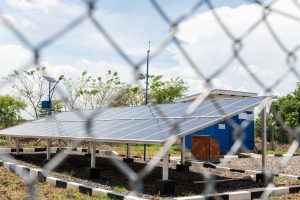
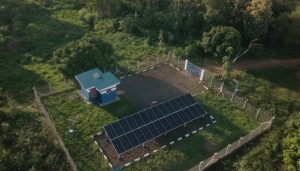
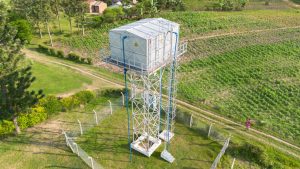
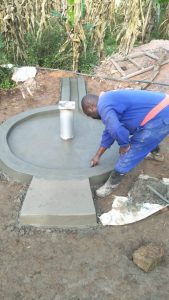
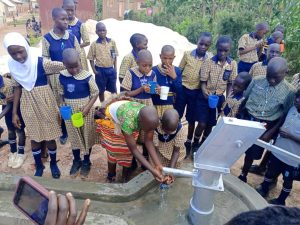
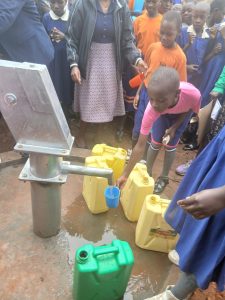
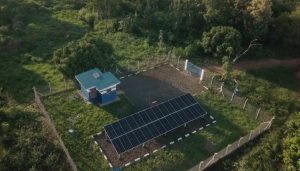
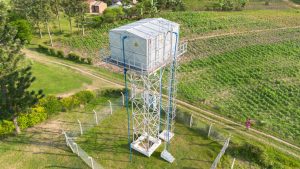
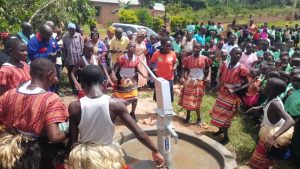
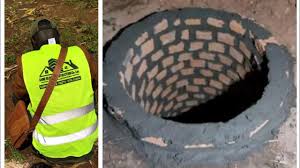
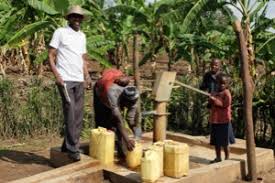
AIWE supports the construction, rehabilitation, or installation of water systems such as:

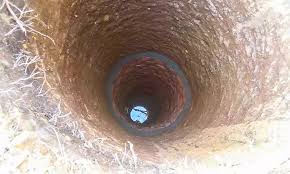
✓Boreholes and shallow wells
✓Rainwater harvesting systems
✓Water purification and filtration units
✓Protected springs and community water points

Communities and schools receive training on water safety, management, and maintenance for long-term sustainability.

B. Improved Sanitation Facilities

To promote dignity and health, AIWE supports:

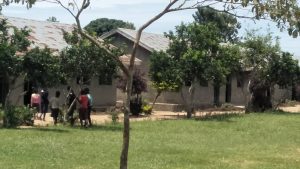
✓Construction or upgrading of toilets and latrines
✓Gender-segregated sanitation blocks
✓Disability-inclusive and child-friendly WASH facilities
✓Waste management systems
✓Safe changing rooms for girls during menstruation

Sanitation upgrades reduce disease, improve school attendance, and foster safe learning environments.

C. Hygiene Promotion & Behavior Change Education

AIWE delivers ongoing hygiene education focused on:

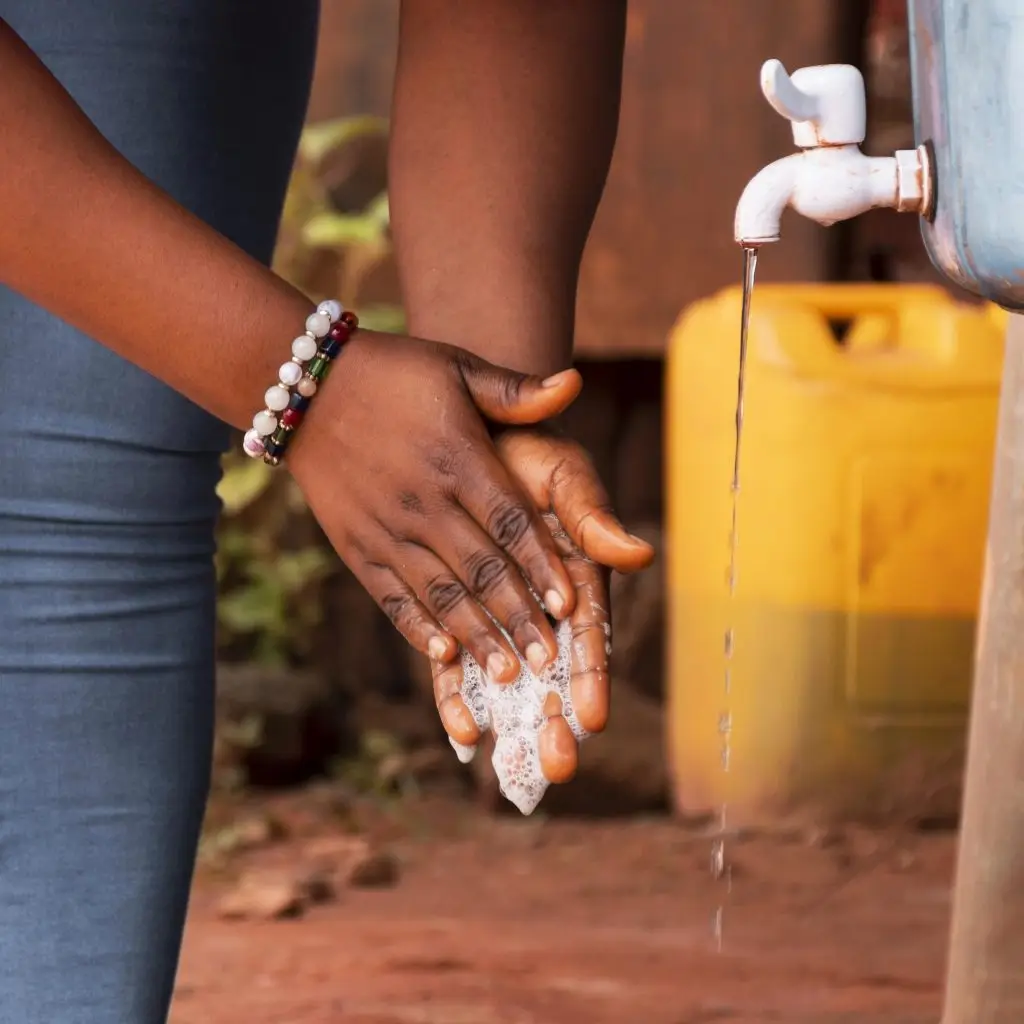
✓Handwashing techniques and routines
✓Food hygiene and safe water storage
✓Waste disposal and environmental cleanliness
Prevention of diarrhoea, typhoid, cholera, and skin infections
✓Community-led hygiene campaigns (CLTS-style engagement)

Hygiene behavior change helps transform daily habits and household practices.

D. Menstrual Health & Hygiene Management (MHM)

AIWE prioritizes the dignity and wellbeing of girls through:

✓Distribution of menstrual hygiene materials (pads, cups, reusable kits)
✓Education on menstrual health and cycle management.
✓Training on making reusable sanitary pads
✓Improving access to girl-friendly WASH facilities
✓Engaging boys and community leaders to reduce stigma

This reduces school absenteeism and empowers adolescent girls.

E. School & Community WASH Clubs

Youth-driven clubs help sustain WASH practices through:

✓Peer education and outreach
✓School sanitation inspections
✓Cleaning campaigns
✓MHM support groups
✓Leadership and accountability roles

These structures build a culture of ownership and responsibility.

F. Capacity Building & Community Empowerment

AIWE strengthens local capacity by training:

✓School management committees (SMCs)
✓Parent-Teacher Associations (PTAs)
✓Water user committees
✓Community health workers
✓Youth WASH champions

Training covers system maintenance, cleanliness, budgeting, and WASH governance.

4. Monitoring & Evaluation

AIWE uses a comprehensive MEL framework including:

Baseline and end-line WASH assessments
Water quality testing
Sanitation facility usage tracking
Hygiene behavior monitoring
School attendance data
Community feedback surveys
Incident and disease prevalence reports

5. Sustainability Strategy

AIWE ensures long-term sustainability by:

Community-managed WASH committees
Operation & maintenance (O&M) training
School WASH policies and routines
Collaboration with local government and district water offices
Youth WASH champions and school clubs
Low-cost, locally appropriate technologies
Continuous community-led sanitation initiatives

Expected Outcomes

By implementing this program, AIWE aims to achieve:

Short-Term Outcomes

Increased WASH knowledge and hygiene behaviors
Improved access to clean water and functional sanitation
Reduced stigma around menstrual health
Strengthened community engagement

Medium-Term Outcomes

Reduced incidence of waterborne diseases
Increased school attendance, especially for girls
Improved school cleanliness and safety
Active youth-led WASH interventions

Long-Term Outcomes

Healthier, more resilient communities
Sustainable access to water and sanitation infrastructure
Gender-inclusive WASH systems in schools and communities
Strong community governance of water and sanitation resources

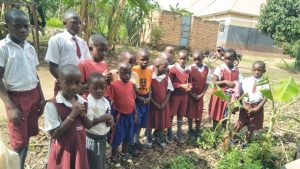
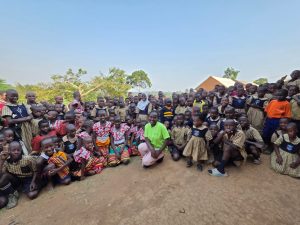
Pictorial

Get Involved

Join Us in Making a Difference Today!

Together, we can create positive change and empower communities towards a brighter future.
Volunteer With Us Internship Oppurtunities Become A Partner Become A Community Ambassador

Scroll to Top