Community Health & Wellbeing Program
Healthy communities are the backbone of strong, productive, and resilient societies. Yet many communities in Uganda continue to face significant health challenges that affect their daily lives, productivity, and overall wellbeing. Limited access to primary healthcare, inadequate health information, low health-seeking behavior, environmental health risks, rising non-communicable diseases (NCDs), mental health concerns, and persistent inequalities in health access all contribute to a cycle of preventable illness and poverty.
Recognizing the need for a holistic, community-centered approach, the Aurora Institute for Wellbeing & Education (AIWE) established the Community Health & Wellbeing Program—a comprehensive initiative aimed at improving health literacy, expanding access to essential health services, strengthening preventive care, and empowering communities to take charge of their own wellbeing.
The program integrates community health education, disease prevention, psychosocial support, screening campaigns, gender-sensitive health services, and community empowerment models. It is designed to complement existing health services, support government frameworks, and promote long-term sustainable health practices.
Target Beneficiaries : Adolescents and young people, Women of reproductive age, Children under five, Caregivers and parents, Elderly and vulnerable households, Village Health Teams (VHTs), Community leaders, teachers, and influencers and Persons living with NCDs, chronic illness, or disabilities
1. Program Goal and Purpose
The goal of this program is to promote healthier communities through improved health literacy, preventive care, access to basic health services, and empowered individuals who can make informed decisions about their wellbeing.
The program aims to :
✓Strengthen community knowledge on health, prevention, and early care-seeking
✓Support screening for communicable and non-communicable diseases
✓Promote mental health awareness and psychosocial wellbeing
✓Enhance maternal, adolescent, and child health outcomes
✓Encourage healthy lifestyles and environmental hygiene
✓Build community resilience to health shocks, emergencies, and epidemics
2. Why This Program is Critical
Community health challenges in Uganda
Many communities face
✓Limited access to primary care services
✓High burden of preventable diseases (malaria, TB, HIV, diarrheal diseases)
✓Rising NCDs (hypertension, diabetes, cancer)
✓Mental health stigma and low access to support
✓Poor environmental sanitation
✓Gender-based barriers to healthcare
✓Low awareness of healthy lifestyle practices
✓Limited psychosocial support structures
✓Overstretched health facilities
These challenges disproportionately affect the most vulnerable: adolescents, women, children, the elderly, and low-income households.
AIWE’s holistic approach
AIWE goes beyond disease treatment—it focuses on:
✓Prevention
✓Education
✓Social support
✓ Community-driven solutions
✓ Holistic wellbeing
This approach reduces healthcare costs, promotes resilience, and strengthens long-term community health outcomes.
3. Program Components
A. Community Health Education & Health Literacy
AIWE delivers structured community-based health education through:
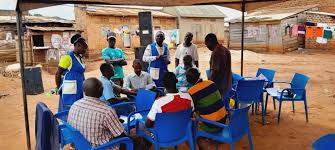
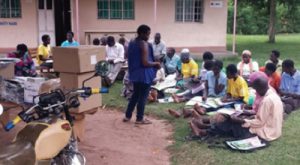
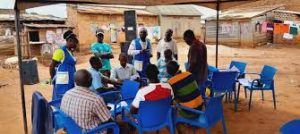
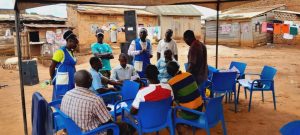
✓Village health dialogues & sensitization meetings
✓School and youth-focused health literacy sessions
✓Radio talk shows, community campaigns, and digital health content
✓Training in preventive behaviors and early care-seeking
Topics include infectious diseases, NCD prevention, nutrition, sexual and reproductive health, hygiene, mental health, and chronic disease management.
B. Community Screening & Preventive Care Services
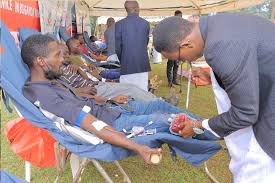
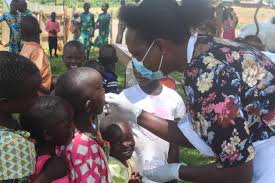
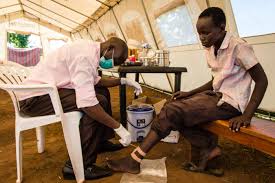
To reduce the burden of late diagnosis, AIWE conducts:
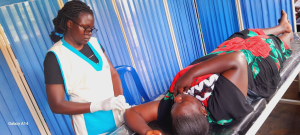
✓Blood pressure, blood sugar, and BMI screenings
✓HIV testing and linkage to care
✓Malaria testing and prevention education
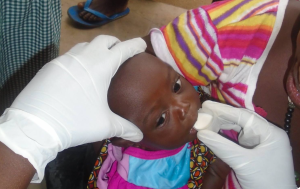
✓Maternal and child health screening
✓Nutrition assessments for children and adolescents
✓Vision and hearing screening campaigns
Screenings include linkage to nearby health facilities for management.
C. Mental Health Awareness & Psychosocial Support
AIWE strengthens emotional and psychological wellbeing through:
✓Community mental health awareness sessions
✓Individual and group psychosocial support
✓Strengthening referral pathways for mental health services
✓Training community agents in psychological first aid
School-based counseling and mentorship circles
This helps reduce stigma and improves emotional resilience.
D. Maternal, Adolescent & Child Health Services
AIWE supports women and adolescents through:
✓Antenatal and postnatal health education
✓Family planning information and referrals
✓Child growth monitoring and nutrition support
✓Parenting and positive discipline education
✓Adolescent-friendly health services and mentorship
✓Maternity health awareness and referral
These interventions protect vulnerable populations and promote healthy families.
E. Lifestyle & Wellness Promotion
AIWE promotes healthy living through:
✓Fitness and wellness club
✓Anti-tobacco and alcohol harm-reduction campaigns
✓Nutrition and healthy cooking demonstrations
✓Chronic disease self-management support groups
✓Stress management and mind–body wellbeing sessions
✓Community sports activities to promote physical activity
Lifestyle change significantly reduces NCD risks.
F. Strengthening Community Health Structures
AIWE builds stronger health systems by:
✓Training and supporting Village Health Teams (VHTs)
✓Strengthening community health committees
✓Supporting local health facilities with outreach
✓Facilitating multisectoral collaboration with schools, local councils, and community organizations
✓Empowering youth and women as community health champions
This ensures health initiatives continue beyond the presence of external support.
4. Monitoring & Evaluation
AIWE uses a robust MEL system including:
✓Baseline/endline community health surveys
✓Screening and referral records
✓Pre/post health literacy assessments
✓Attendance tracking for community sessions
✓Case stories, testimonials, and community feedback
✓Quarterly and annual progress reports
5. Sustainability Strategy
AIWE ensures program sustainability by:
✓Training community health champions
✓Strengthening VHTs and community health committees
✓Integrating services into district health systems
✓Partnering with local leaders, schools, and health facilities
✓Providing low-cost, community-led models
✓Promoting peer-to-peer health education
Expected Outcomes
By implementing this program, AIWE aims to achieve:
Short-Term Outcomes
Improved knowledge of basic health, prevention, and hygiene
Increased uptake of screening and referral services
Enhanced mental health awareness
Improved nutrition and lifestyle practices
Medium-Term Outcomes
Reduced burden of preventable illnesses
Increased community support for mental health and wellbeing
Improved maternal and adolescent health outcomes
Stronger community health leadership structures
Long-Term Outcomes
Healthier, more resilient communities
Strong integration between community and health facilities
Long-term reduction in NCDs and infectious disease prevalence
Sustainable generations of health-conscious individuals
Join Us in Making a Difference Today!
Together, we can create positive change and empower communities towards a brighter future.
Volunteer With Us Internship Oppurtunities Become A Partner Become A Community Ambassador