
Climate Change Climate Change Adaptation & Environmental Resilience Program (CCAERP)Regulation
Climate change continues to pose significant threats to communities across Uganda, particularly affecting vulnerable populations dependent on rain-fed agriculture and natural resources. Increasing temperatures, prolonged droughts, erratic rainfall patterns, floods, land degradation, and biodiversity loss are undermining livelihoods, food security, health outcomes, and economic development. Rural communities, women, children, and marginalized groups often bear the greatest burden despite contributing the least to global greenhouse gas emissions.
Recognizing these growing challenges, the Aurora Institute for Wellbeing & Education (AIWE) established the Climate Change Adaptation & Environmental Resilience Program (CCAERP)—a comprehensive initiative aimed at strengthening community resilience, promoting sustainable environmental practices, enhancing climate literacy, and supporting local adaptation solutions. The program is founded on the belief that climate resilience is essential for sustainable development, public health, economic prosperity, and the wellbeing of future generations.
Target Beneficiaries ; Smallholder farmers and farming households | Women and girls vulnerable to climate impacts | Youth and school-going children | Community leaders and local government officials | Environmental and community-based organizations | Disaster-prone communities | Indigenous and marginalized populations | Schools and educational institutions.
Why Donor Support is Needed
Supporting the AIWE Climate Change Adaptation & Environmental Resilience Program enables us to:
Expand climate adaptation interventions to vulnerable communities | Train farmers, youth, and community leaders in resilience-building practices | Restore degraded ecosystems and protect natural resources | Strengthen disaster preparedness and response systems | Promote renewable energy and green innovations | Empower communities to develop sustainable livelihoods | Support evidence generation and policy engagement for climate action | Investment in climate resilience is an investment in healthier ecosystems, stronger livelihoods, and a sustainable future for Uganda’s communities. | Through collaborative action, we can build adaptive, environmentally responsible, and prosperous societies capable of withstanding the growing impacts of climate change.
1. Program Goal and Purpose
The goal of the AIWE Climate Change Adaptation & Environmental Resilience Program is to enhance the capacity of communities, institutions, and vulnerable populations to adapt to climate change impacts while promoting sustainable environmental stewardship.
The program aims to:
✓Increase climate change awareness and environmental literacy
✓Strengthen community resilience to climate-related shocks and disasters
✓Promote climate-smart agriculture and sustainable livelihoods
✓Support ecosystem restoration and biodiversity conservation
✓Enhance disaster preparedness and early warning systems
✓Empower youth and communities to participate in climate action initiatives
✓Strengthen institutional capacity for climate adaptation planning and implementation
2. Why This Program Matters
A Growing Climate Crisis
Uganda is increasingly experiencing the adverse effects of climate change, including:
✓Prolonged droughts affecting agricultural productivity
✓Increased flooding and landslides causing displacement and infrastructure damage
✓Declining water availability and quality
✓Loss of biodiversity and ecosystem services
✓Increased prevalence of climate-sensitive diseases
✓Reduced food security and household incomes
✓Environmental degradation due to unsustainable land-use practices
These climate-related challenges disproportionately affect rural populations, women, youth, and communities with limited adaptive capacity.
Where AIWE Provides a Lifeline
AIWE addresses critical gaps by implementing community-driven, evidence-based, and locally appropriate climate adaptation interventions that build resilience while supporting sustainable development goals. The program integrates education, environmental conservation, livelihood strengthening, and policy engagement to create lasting climate solutions.
3. Program Components
A. Climate Education and Community Awareness
AIWE promotes climate literacy through:
✓Climate change awareness campaigns
✓Environmental education programs in schools
✓Community dialogues on climate adaptation strategies
✓Youth climate leadership initiatives
✓Training on sustainable environmental practices
✓Development of culturally appropriate educational materials
These interventions empower communities with knowledge to make informed environmental decisions.
B. Climate-Smart Agriculture and Sustainable Livelihoods
AIWE supports communities to adopt resilient livelihood practices through:
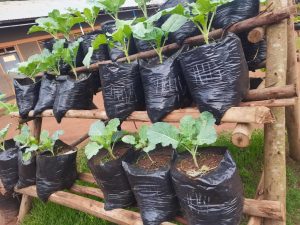
✓Training in climate-smart agricultural techniques
✓Promotion of drought-resistant crop varieties
✓Sustainable soil and water conservation practices
✓Agroforestry and integrated farming systems
✓Farmer field schools and demonstration sites
✓Diversification of income-generating activities
✓Access to climate information services
These approaches enhance food security and economic resilience.
C. Ecosystem Restoration and Natural Resource Management
AIWE implements environmental conservation initiatives including:
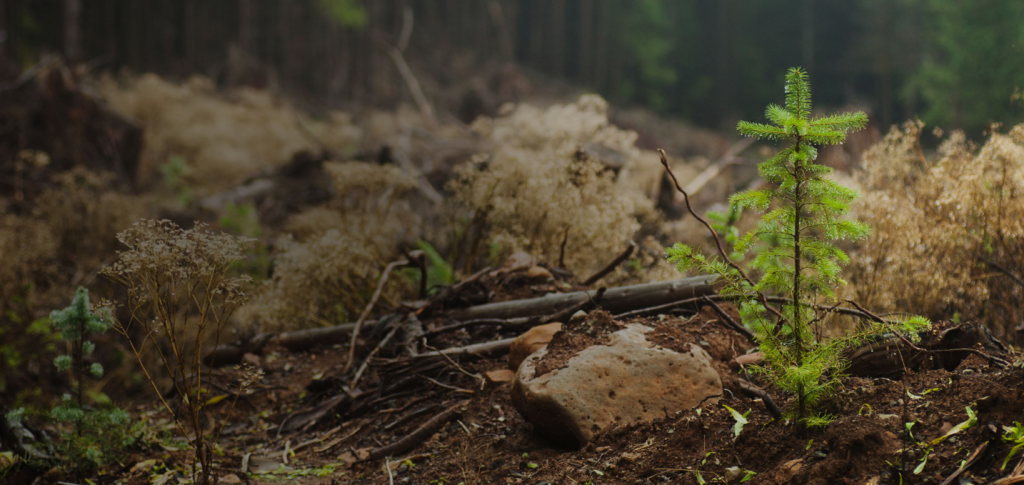
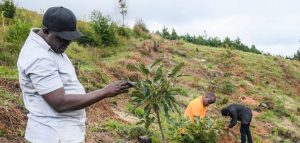
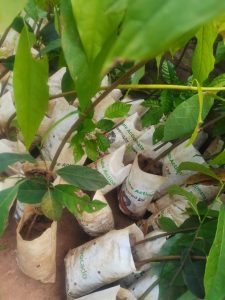
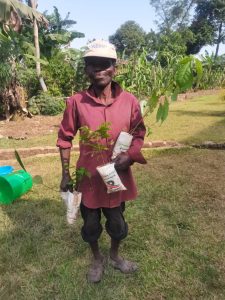
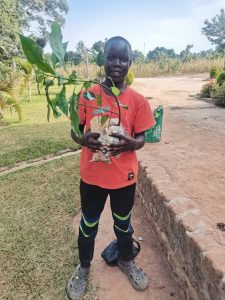
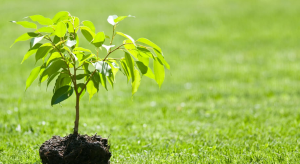
✓Community tree planting and reforestation programs
✓Wetland restoration and protection activities
✓Watershed management interventions
✓Promotion of sustainable land management practices
✓Biodiversity conservation initiatives
✓Community-based natural resource governance
✓Environmental stewardship campaigns
These efforts restore ecosystems and strengthen environmental sustainability.
D. Disaster Risk Reduction and Emergency Preparedness
AIWE strengthens community preparedness through:
✓Climate risk and vulnerability assessments
✓Development of community disaster preparedness plans
✓Early warning system strengthening
Community emergency response training
✓Flood and drought mitigation planning
School-based disaster preparedness programs
✓Coordination with local disaster management structures
These activities reduce vulnerability to climate-related disasters.
E. Green Innovation and Renewable Energy Solutions
To promote sustainable development, AIWE supports:
✓Adoption of clean cooking technologies
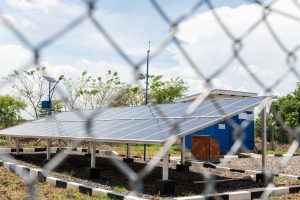
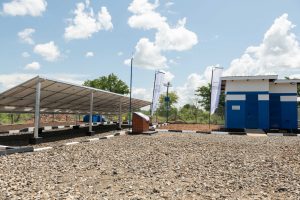
✓Solar energy solutions for institutions and households
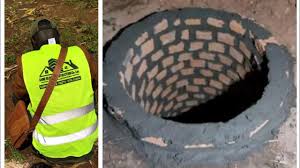
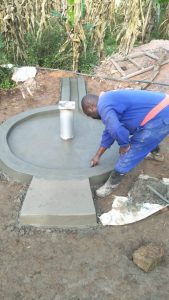
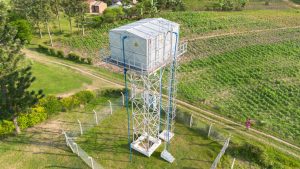
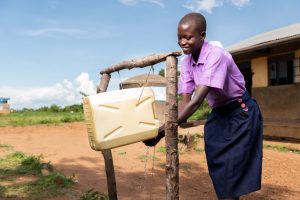
✓Water harvesting and conservation technologies
✓Promotion of energy-efficient practices
✓Youth-led environmental innovation projects
✓Green entrepreneurship development
✓Digital climate information platforms
These innovations contribute to both adaptation and mitigation efforts.
4. Monitoring & Evaluation
AIWE tracks program progress through:
✓Baseline and end-line climate vulnerability assessments
✓Monitoring adoption of climate-smart technologies
✓Environmental restoration indicators
✓Household resilience and livelihood surveys
✓Disaster preparedness and response assessments
✓Community feedback mechanisms
✓Climate knowledge and behavior change evaluations
✓Periodic program reviews and impact assessments
Impact indicators align with Uganda’s National Climate Change Policy and Sustainable Development Goals (SDGs).
5. Sustainability Strategy
AIWE ensures long-term sustainability by:
✓Building capacity of local institutions and community groups
✓Establishing community climate action committees
✓Integrating interventions into local development plans
✓Strengthening partnerships with government agencies and stakeholders
✓Promoting community ownership of environmental initiatives
✓Supporting income-generating green enterprises
✓Leveraging low-cost and locally appropriate technologies
This approach ensures continued impact beyond project funding periods.
Expected Outcomes
By implementing this program, AIWE aims to achieve:
Short-Term Outcomes
Increased climate change awareness and environmental knowledge|
Improved adoption of climate-smart practices|
Enhanced community preparedness for climate-related emergencies|
Strengthened local capacity for environmental management
Medium-Term Outcomes
Increased agricultural productivity and food security|
Improved household resilience to climate shocks|
Enhanced ecosystem restoration and biodiversity conservation|
Reduced vulnerability to climate-induced disasters|
Greater youth engagement in climate action
Long-Term Outcomes
Sustainable and climate-resilient communities|
Improved environmental health and ecosystem services|
Strengthened adaptive capacity at community and institutional levels|
Reduced poverty associated with climate vulnerabilities|
Enhanced contribution toward national and global climate goals
Pictorial
Join Us in Making a Difference Today!
Together, we can create positive change and empower communities towards a brighter future.
Volunteer With Us Internship Oppurtunities Become A Partner Become A Community Ambassador