young depressed adult home min[1]

Adolescent & Reproductive Health Education Program (ARHEP)

Adolescence is a critical stage of life—one marked by rapid physical, emotional, and social transformation. Yet for millions of young people across Uganda, this period is also filled with confusion, misinformation, limited access to reproductive health services, and a lack of safe spaces to ask questions or seek help. Many adolescents face risks including early pregnancy, sexually transmitted infections (STIs), gender-based violence, menstrual health challenges, and harmful cultural norms that hinder their wellbeing and future potential.
Recognizing these challenges, the Aurora Institute for Wellbeing & Education (AIWE) established the Adolescent & Reproductive Health Education Program (ARHEP)—a comprehensive initiative designed to empower young people with accurate information, practical life skills, and supportive environments to make responsible decisions about their bodies, relationships, and futures
Target Beneficiaries : Adolescents (10–19 years), Youth (20–24 years) ,Teachers, counsellors, school staff, Parents and caregivers, Community health workers, Out-of-school youth
Vulnerable groups including survivors of violence, displaced adolescents, and young mothers

1. Program Goal and Purpose

The goal of ARHEP is to strengthen adolescents’ knowledge, attitudes, and behaviors related to reproductive health, bodily autonomy, gender equality, and healthy relationships—ultimately improving their overall wellbeing and life outcomes.

The program aims to:
✓Equip adolescents with essential reproductive health knowledge
✓Reduce early pregnancies, unsafe abortions, and STIs
✓Promote menstrual health and hygiene management (MHM)
✓Strengthen gender equality and challenge harmful norms
✓Build supportive systems around adolescents (schools, families, communities)
✓Ensure young people have access to youth-friendly health services

2. Why This Program Matters

The Reproductive Health Challenges Uganda Faces
Uganda has one of the highest adolescent fertility rates in Sub-Saharan Africa.

Many young people lack comprehensive sexuality education, contributing to:
✓Early pregnancy and school dropout
✓Unsafe abortions
✓STIs and HIV infections
✓Gender-based violence and coercive relationships
✓Menstrual stigma and poor hygiene practices
✓Low body confidence and poor decision-making skills

Existing school curricula often leave large gaps, and cultural barriers further limit open conversations about sexuality and reproductive health.

Where AIWE Provides a Lifeline
AIWE fills this gap by delivering culturally sensitive, age-appropriate, and scientifically accurate reproductive health education, paired with psychosocial support and access to friendly services. The program strengthens both knowledge and confidence—empowering young people to make informed decisions and helping them stay in school, healthier, and safer.

3. Program Components

A. School-Based Reproductive Health Curriculum

AIWE integrates structured sessions that cover:

✓Puberty and body changes
✓Menstrual health and hygiene
✓Fertility, pregnancy prevention, and family planning options
✓STIs and HIV prevention
✓Consent, boundaries, and healthy relationships
✓Understanding sexual pressure and saying “no”
✓Digital safety and sexual exploitation online
✓Myths and misconceptions about sexuality

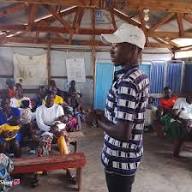
Sessions are interactive—using role-plays, group discussions, storytelling, and anonymous Q&A boxes.

B. Menstrual Health & Hygiene Management (MHM)

The program empowers girls and supports boys to understand menstrual health through:

✓Training on menstrual management and cycle tracking
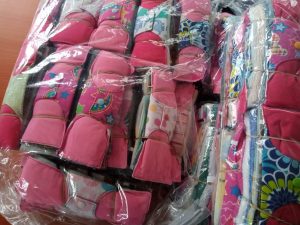
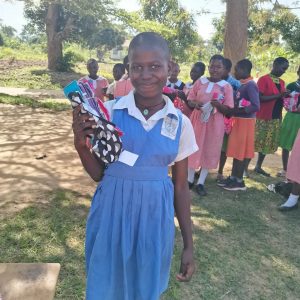
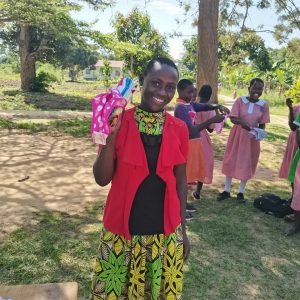
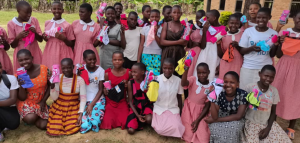
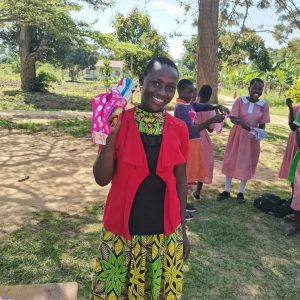
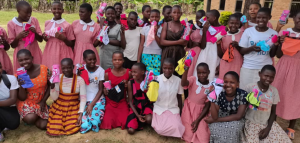
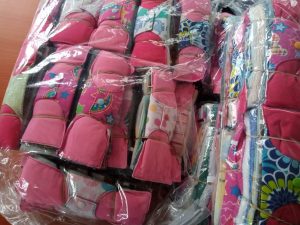
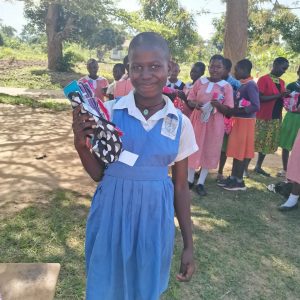
✓Distribution of menstrual materials (pads, cups, reusable kits)
✓Creating girl-friendly safe spaces at school
✓Engaging boys to reduce teasing and stigma
✓Advocacy for improved WASH (water, sanitation, hygiene) facilities

This contributes to reduced absenteeism, improved confidence, and greater gender equality.

C. Life Skills for Responsible Decision-Making

AIWE builds essential life skills that influence reproductive health outcomes:

✓Communication and assertiveness
✓Emotional regulation and self-esteem
✓Negotiation and refusal skills
✓Problem-solving and goal setting
✓Healthy masculinity and gender respect

These skills empower youth to navigate relationships safely and confidently.

D. Youth-Friendly Health Services & Referrals

AIWE links adolescents to:

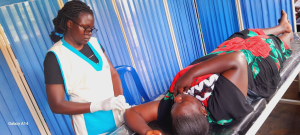
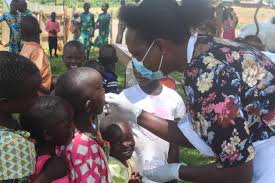
✓Youth-friendly clinics
✓HIV testing and counselling
✓STI screening
✓Family planning information
✓Psychosocial support services

We collaborate with nearby health facilities to strengthen confidentiality, adolescent sensitivity, and service accessibility

E. Parent & Community Engagement

Recognizing that adolescents thrive in supportive environments, AIWE organizes:

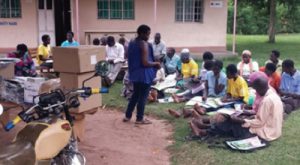
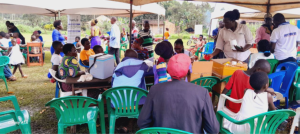
✓Parenting workshops on adolescent development
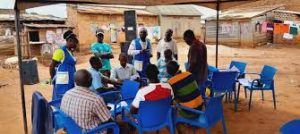
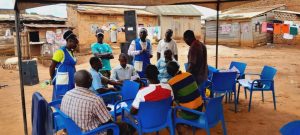
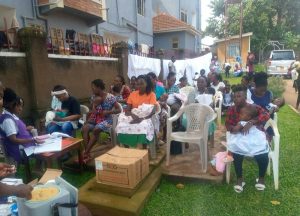
✓Community dialogues to reduce stigma
✓Male engagement sessions to foster gender equality
✓Religious and cultural leader sensitization

Parents learn how to communicate openly, guide adolescents, and build trust.

F. Peer Educator Model

AIWE trains peer educators (10–20 per school/community) to:

✓Provide accurate information
✓Support youth-led discussions
✓Refer peers to health services
✓Conduct school health clubs
✓Model positive behavior

Peer-led approaches significantly increase uptake and retention of knowledge.

4. Monitoring & Evaluation

AIWE measures results using:

✓Pre/post knowledge assessments
✓Attendance and participation data
✓Qualitative feedback through focus groups
✓Case tracking from peer educators
✓Service uptake data from partner clinics

Impact is documented through annual reports and success stories.

5. Sustainability Strategy

AIWE ensures long-term program sustainability by:

✓Training teachers to deliver sessions independently
✓Strengthening school health clubs
✓Working closely with MOH, MOES, and district health teams
✓Developing digital platforms for continued learning
✓Building community champions for adolescent health

Expected Outcomes

By implementing this program, AIWE aims to achieve:

Short-Term Outcomes

Improved knowledge of reproductive health and hygiene|
Enhanced confidence in managing bodily changes|
Positive attitudes toward gender equality|
Improved communication between adolescents and caregivers

Medium-Term Outcomes

Reduced risky sexual behavior|
Increased use of youth-friendly health services|
Reduced school absenteeism due to menstrual challenges|
Increased male involvement in reproductive health

Long-Term Outcomes

Reduced adolescent pregnancy rates|
Lower STI/HIV infections among youth|
Reduced gender-based violence|
Strengthened, resilient communities

Pictorial

Get Involved

Join Us in Making a Difference Today!

Together, we can create positive change and empower communities towards a brighter future.
Volunteer With Us Internship Oppurtunities Become A Partner Become A Community Ambassador

Scroll to Top